
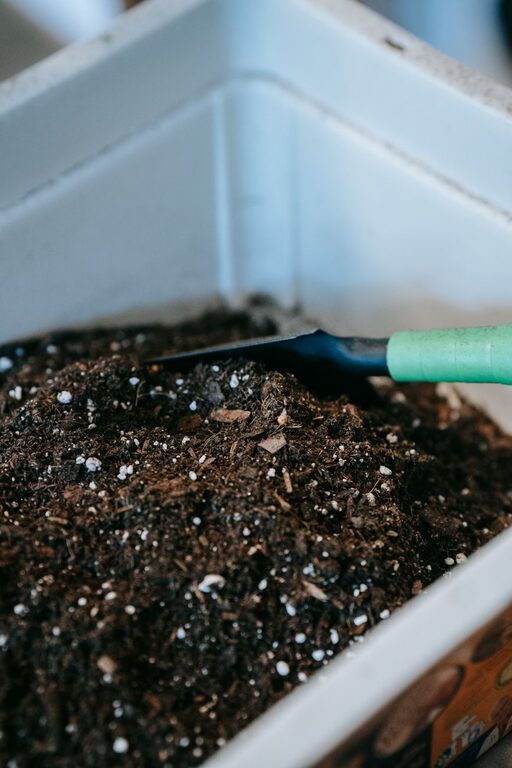
Composting at home is an excellent way to reduce household waste while creating nutrient-rich soil that benefits your garden. Whether you have a large backyard or a small balcony, starting a compost bin can be simple and rewarding. This guide provides beginner-friendly tips to help you get started with composting effectively and sustainably.
What is Composting?
Composting is the natural process of recycling organic material, such as food scraps and yard waste, into a dark, rich soil amendment called compost. This process occurs through the breakdown of organic matter by microorganisms like bacteria and fungi. The resulting compost improves soil structure, enhances moisture retention, and provides essential nutrients to plants.
Why Compost at Home?
– Reduces landfill waste: Food scraps and yard debris account for a significant portion of household waste. Composting keeps these materials out of the trash.
– Saves money: By creating your own compost, you reduce the need to buy commercial fertilizers and soil conditioners.
– Improves garden health: Compost adds valuable nutrients that promote healthy plant growth.
– Supports the environment: Composting lowers methane emissions from landfills and promotes sustainable gardening practices.
Getting Started: Choosing Your Composting Method
Outdoor Compost Bins
If you have a garden or backyard, an outdoor compost bin is an effective choice. You can purchase a ready-made bin or build your own using wood pallets or wire mesh.
Indoor Composting Options
For those with limited outdoor space, indoor composting methods like worm bins (vermicomposting) or bokashi fermentation are great alternatives.
Compost Pile
A simple compost pile in your yard also works if you prefer a no-bin approach. However, it may take longer to decompose and require more management.
What to Compost: Materials to Include and Avoid
Brown Materials (Carbon-rich)
– Dry leaves
– Straw or hay
– Shredded paper and cardboard
– Sawdust (from untreated wood)
– Wood chips
Green Materials (Nitrogen-rich)
– Fruit and vegetable scraps
– Coffee grounds and filters
– Tea bags (non-plastic)
– Grass clippings
– Plant trimmings
Materials to Avoid
– Meat, dairy, and oily foods (attract pests and cause odors)
– Diseased plants or weeds with seeds
– Pet waste (can contain harmful pathogens)
– Synthetic chemicals or treated wood products
Tips for Successful Composting
1. Balance Browns and Greens
Aim for a mix of roughly three parts brown materials to one part green materials. This balance helps maintain the right carbon-to-nitrogen ratio for efficient decomposition.
2. Keep Your Pile Moist
Your compost should feel like a damp sponge—moist but not soggy. Water the pile occasionally, especially during dry periods.
3. Turn Your Compost Regularly
Aerate your compost by mixing or turning it every one to two weeks. This introduces oxygen that supports microorganism activity and speeds up decomposition.
4. Chop or Shred Materials
Breaking down larger items into smaller pieces helps them decompose faster. Use garden shears or a shredder for leaves, branches, and other bulky materials.
5. Monitor Temperature
A healthy compost pile heats up as microbes break down the materials. Ideal temperatures range from 110°F to 160°F (43°C to 71°C). If the pile cools down, stirring and adding fresh greens can help revive the process.
Troubleshooting Common Compost Problems
| Problem | Cause | Solution |
|———————|————————————-|————————————-|
| Bad odor | Too much green material or moisture | Add more browns and turn pile |
| Slow decomposition | Poor aeration or imbalance | Turn pile, adjust brown-to-green ratio |
| Pests | Food scraps like meat or dairy | Remove offending materials, cover food scraps |
| Dry pile | Lack of moisture | Add water and green materials |
Harvesting and Using Your Compost
After several months, your compost will turn dark, crumbly, and smell earthy. This means it’s ready to use. You can:
– Mix it into garden beds to improve soil fertility.
– Use as mulch around trees and shrubs.
– Add to potted plants for extra nutrients.
– Incorporate into lawn soil to boost growth.
Additional Resources and Tools
– Compost thermometers: Help monitor pile temperature.
– Compost bins with aeration: Improve airflow for faster composting.
– Worm composting kits: Great for apartment dwellers.
Final Thoughts
Starting composting at home can be simple and highly beneficial for your garden and the environment. By following these beginner tips, you’ll reduce waste, enrich your soil, and enjoy the satisfaction of turning everyday scraps into something valuable. Happy composting!